Liquid Argon

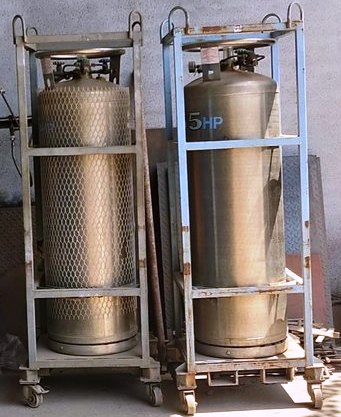
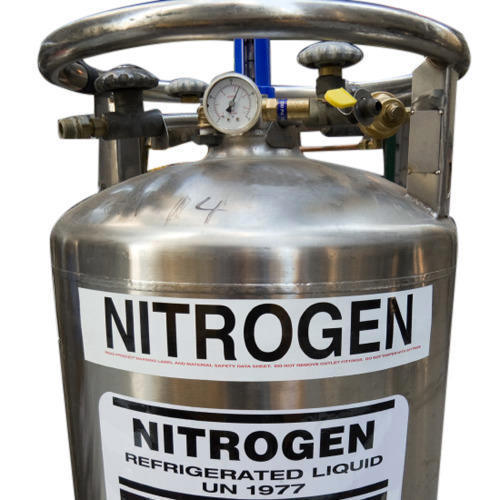
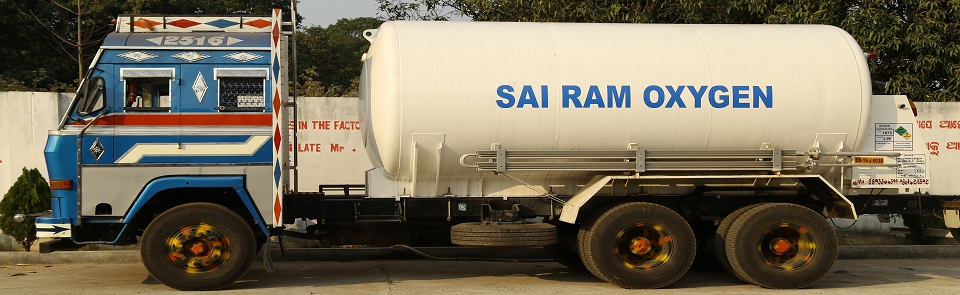
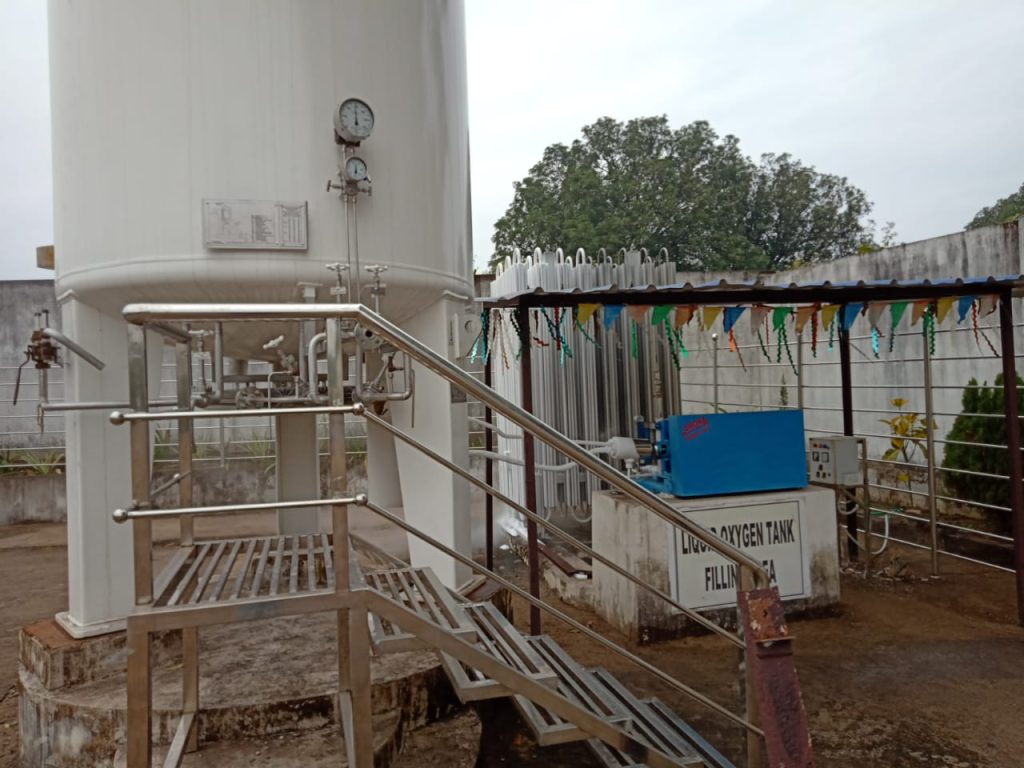
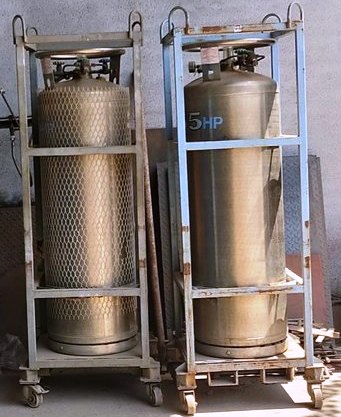
Liquid Oxygen Transport Tank is made up of high quality insulating material, which separates the space between inner and outer vessel. … Though the gases like oxygen and nitrogen are mainly used as gases but they are stored as liquids because they are easy to store and transport.

Liquid oxygen—abbreviated LOx, LOX or Lox in the aerospace, submarine and gas industries—is the liquid form of diatomic oxygen. It was used as the oxidizer in the first liquid-fueled rocket invented in 1926 by Robert H. Goddard[1] an application which has continued to the present.

 Applications and Uses of Oxygen(O2)

Multi-Industry Uses for Oxygen:

Oxygen is used with fuel gases in gas welding, gas cutting, oxygen scarfing, flame cleaning, flame hardening, and flame straightening.

In gas cutting, the oxygen must be of high quality to ensure a high cutting speed and a clean cut.

Metals Manufacturing Uses for Oxygen:

The largest user of oxygen is the steel industry.  Modern steelmaking relies heavily on the use of oxygen to enrich air and increase combustion temperatures in blast furnaces and open hearth furnaces as well as to replace coke with other combustible materials.  During the steel making process, unwanted carbon combines with oxygen to form carbon oxides, which leave as gases. Oxygen is fed into the steel bath through a special lance.  Oxygen is used to allow greater use of scrap metal in electric arc furnaces.  Large quantities of oxygen are also used to make other metals, such as copper, lead, and zinc.

Oxygen enrichment of combustion air, or oxygen injection through lances, is used to an increasing extent in cupola furnaces, open-hearth furnaces, smelters for glass and mineral wool, and lime and cement kilns, to enhance their capacity and reduce energy requirements.  Smelting times and energy consumption can also be reduced by special oxy-oil or oxy-gas burners in electro-steel furnaces and induction smelters for aluminum.  A high thermal efficiency is achieved by these “oxy-fuel” burners, which mix fuel and oxygen at the tip of the burner.  As a result, rapid combustion occurs at approximately 2800o C (5072oF).

Chemicals, Pharmaceuticals and Petroleum Uses:

Oxygen is used as a raw material in many oxidation processes, including the manufacture of ethylene oxide, propylene oxide,  synthesis gas using partial oxidation of a wide range of hydrocarbons, ethylene dichloride, hydrogen peroxide, nitric acid, vinyl chloride and phthalic acid.

Very large quantities of oxygen are used in coal gasification — to generate a synthesis gas that can be used as a chemical feedstock or precursor for more easily- transported and easily-used fuels.

In refineries, oxygen is used to enrich the air feed to catalytic cracking regenerators, which increases capacity of the units. It is used in sulfur recovery units to achieve similar benefits. Oxygen is also used to regenerate catalysts.

Oxygen is used to achieve more complete combustion and destruction of hazardous and waste materials in incinerators.

Glass and Ceramics Industry Uses:

Conversion of combustion systems from air-fuel to oxy-fuel (and construction of new furnaces and tanks around this technology) results in better control of heating patterns, higher furnace efficiencies (lower fuel consumption) and reduction in particulate and NOx emissions.

Pulp and Paper Manufacturing Uses:

Oxygen is increasingly important as a bleaching chemical.  In the manufacture of high-quality bleached pulp, the lignin in the pulp must be removed in a bleaching process.  Chlorine has been used for this purpose but new processes using oxygen reduce water pollution.  Oxygen plus caustic soda can replace hypochlorite and chlorine dioxide in the bleaching process, resulting in lower costs.

In a chemical pulp mill, oxygen added to the combustion air increases the production capacity of the soda recovery boiler and the lime-reburning kiln.  The use of oxygen in black liquor oxidation reduces the discharge of sulfur pollutants into the atmosphere.

Health Care Uses:

In medicine, oxygen is used during surgery, intensive care treatment, inhalation therapy, etc. High standards of purity and handling must be maintained.

Oxygen is typically supplied to hospitals though bulk liquid deliveries, then distributed to usage points.  It assists with respiratory problems, saving lives and increasing patient comfort.

Small portable non-cryogenic air separation units are gaining wide use in home care. Larger scale units using which also use non-cryogenic air separation technology, are being utilized in small and/or remote hospitals where demand is high enough to make cylinder deliveries a logistical problem but where liquid deliveries are unavailable or very costly. These units typically produce 90 to 93% purity oxygen, which is adequate for most medical uses.

Environmental:

In the biological treatment of waste-water, the use of oxygen instead of air permits increased capacity in existing treatment plants.  Injecting oxygen into sewers reduces hydrogen sulfide formation, which results in reduced corrosion and odor.

Ozone is used for drinking water treatment, in particular when alternatives, such as chlorine, are undesirable.

Miscellaneous Uses for Oxygen:

Oxygen has many uses in breathing apparatus, such as those for underwater work and refinery and chemical plant self contained breathing apparatus.

Aquaculture, the cultivation of fish in ponds, uses oxygenated water to allow ensure sufficient oxygen is always present and to allow more fish to be raised or kept in a given size of pond or tank.

Liquid oxygen is used in liquid-fueled rockets as the oxidizer for fuels such as hydrogen and liquid methane.

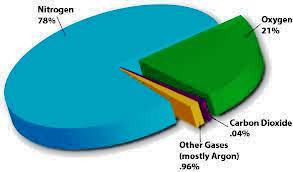
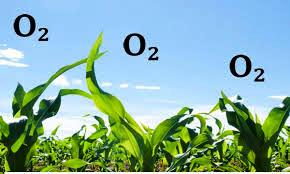
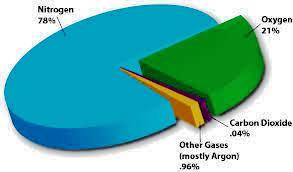
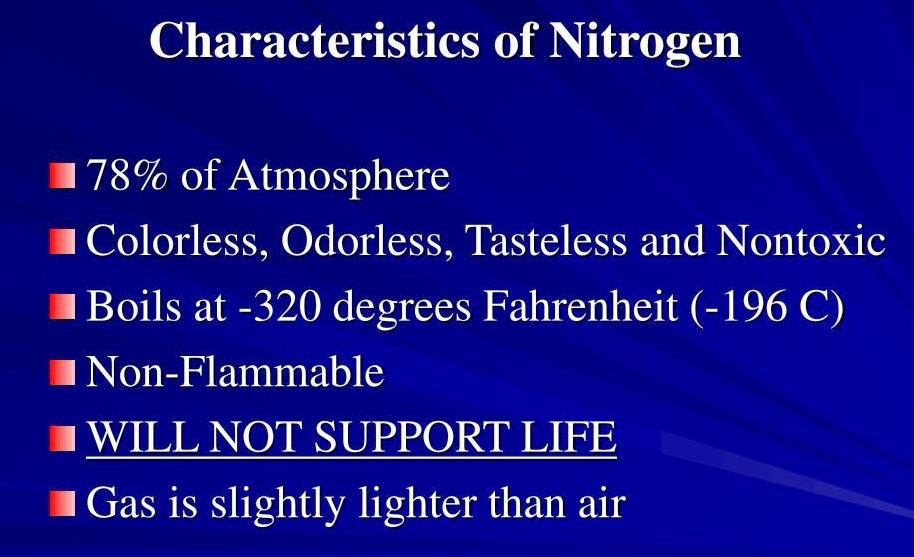
Oxygen (O2) is an active, life-sustaining component of the atmosphere; making up 20.94% by volume or 23% by weight of the air we breathe. It is colorless, odorless and tasteless
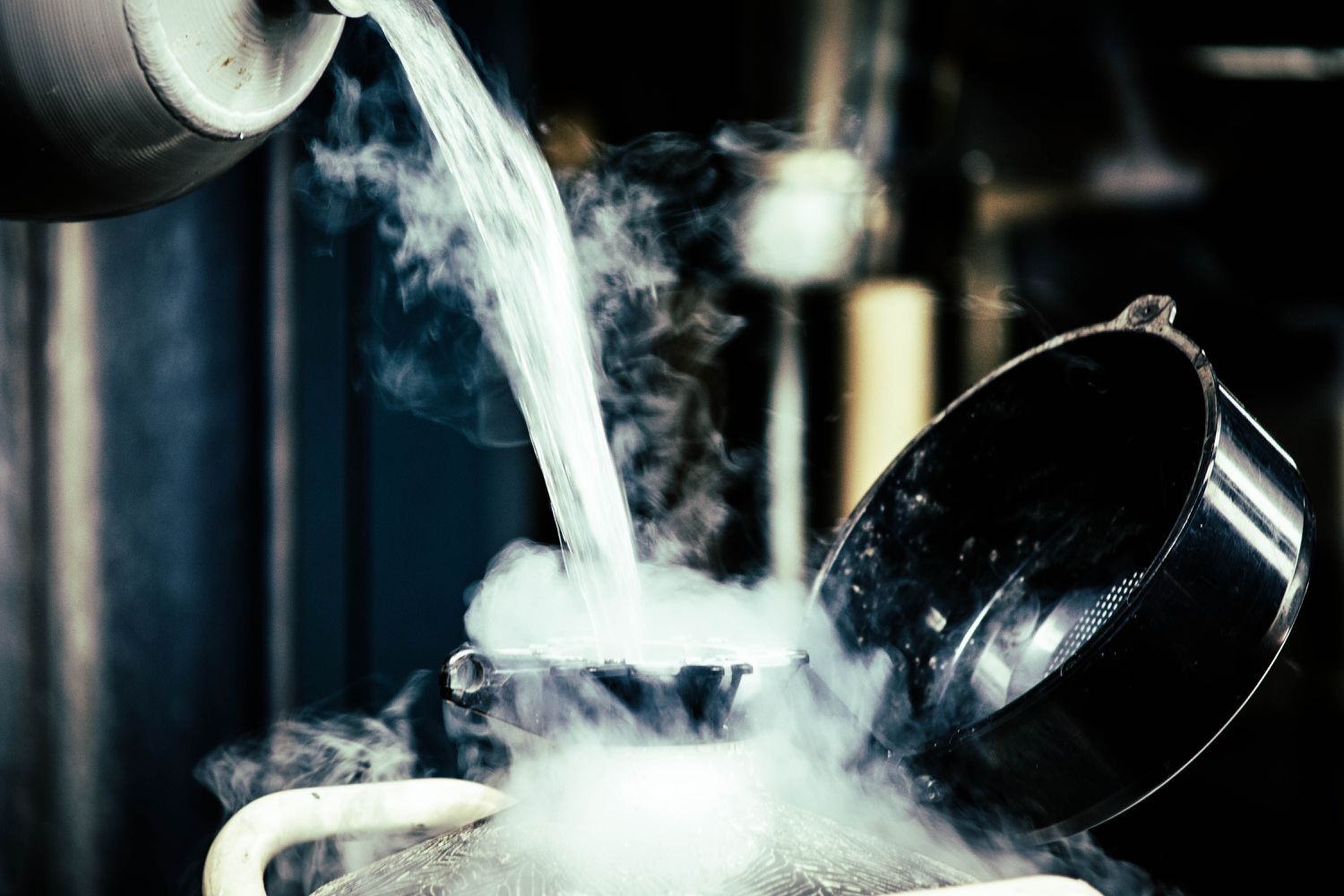
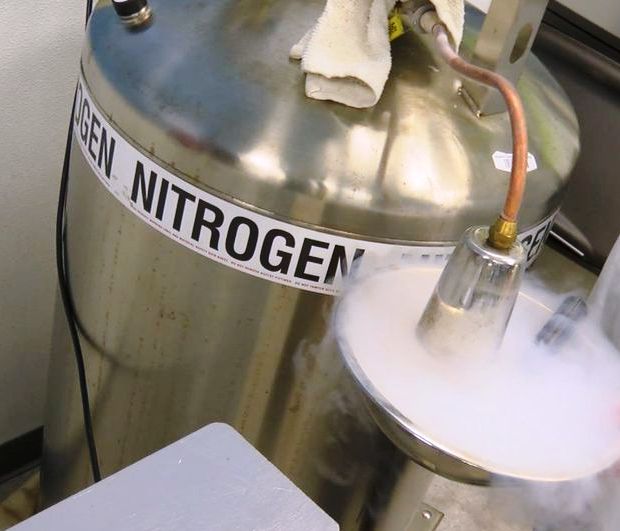
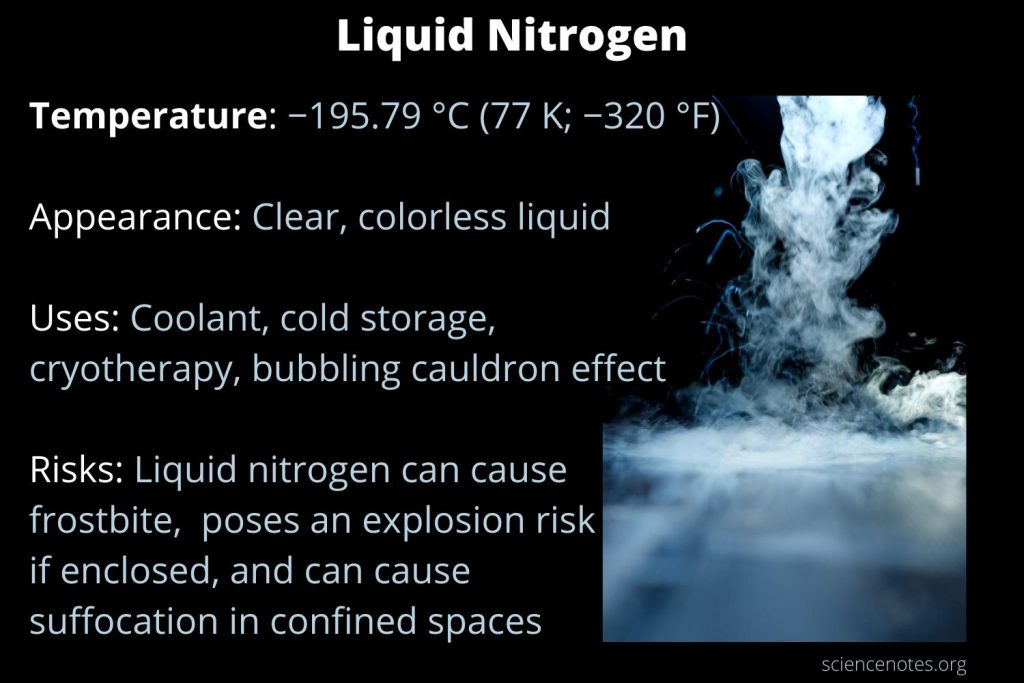
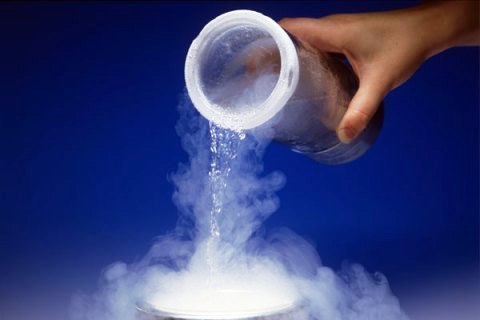
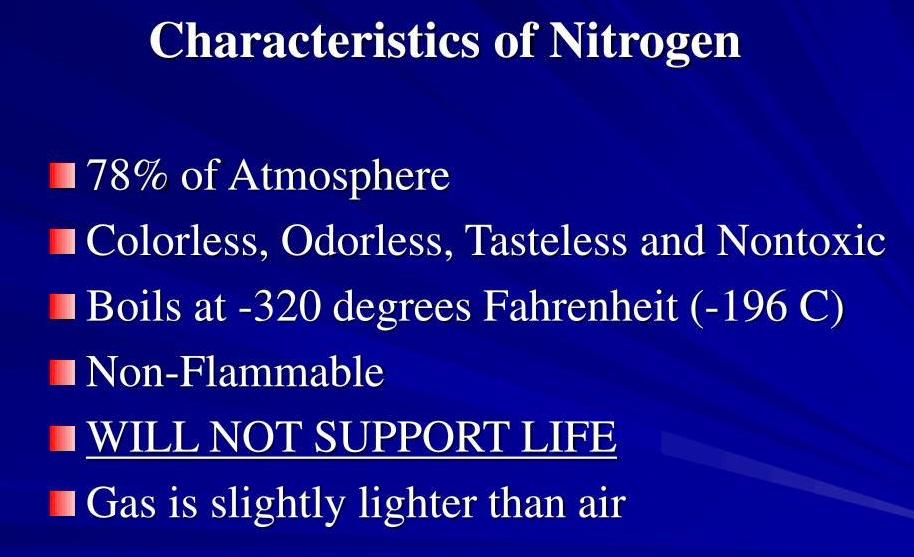
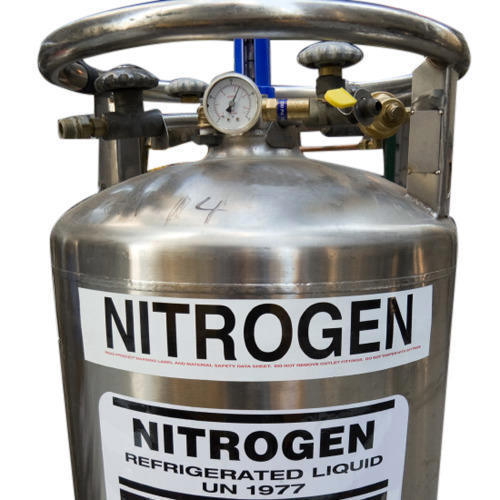
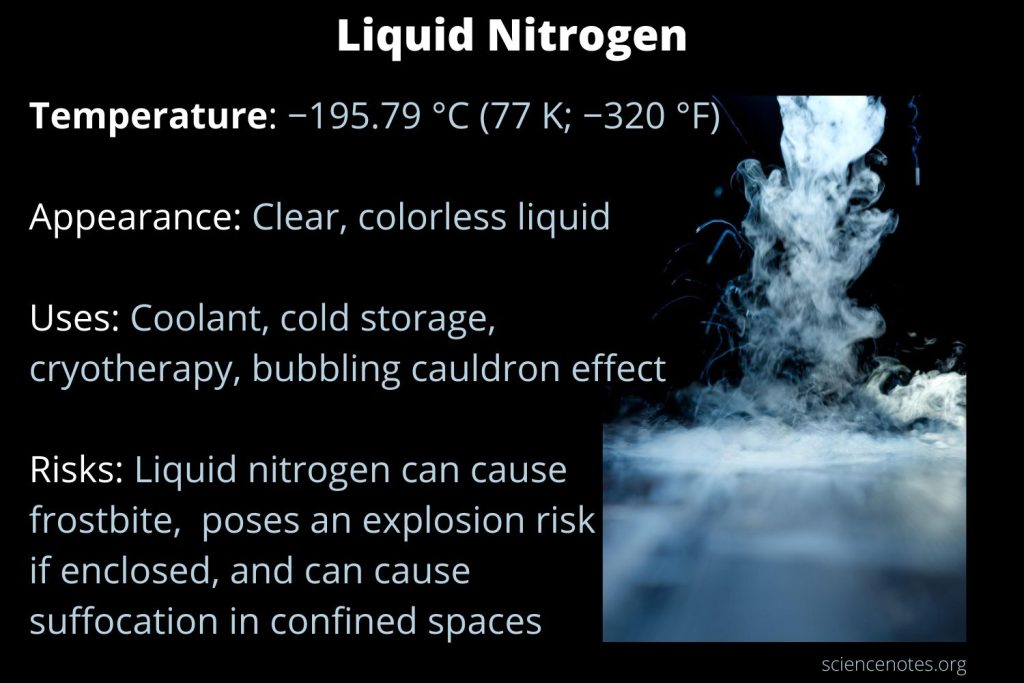
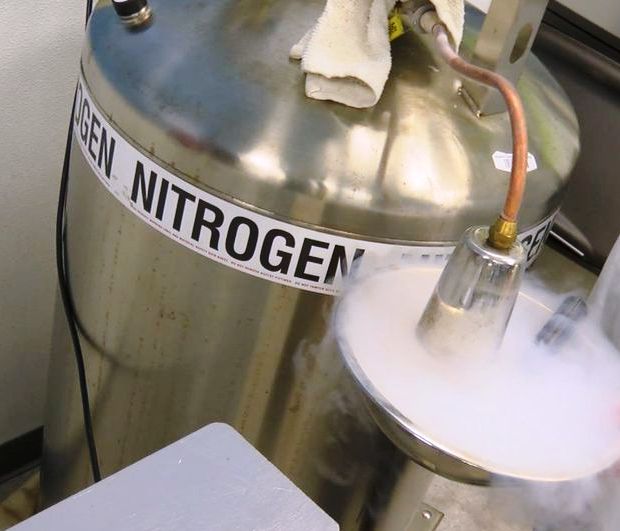
Liquid Nitrogen

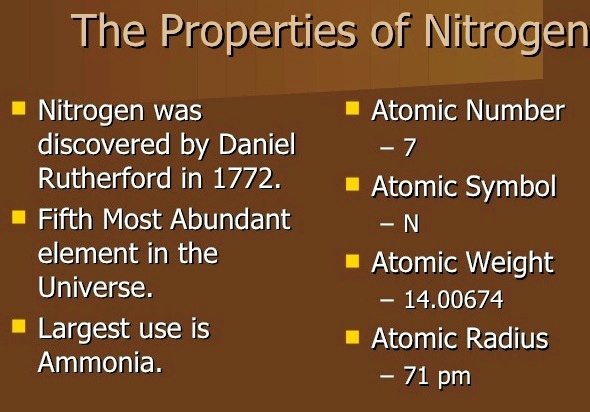
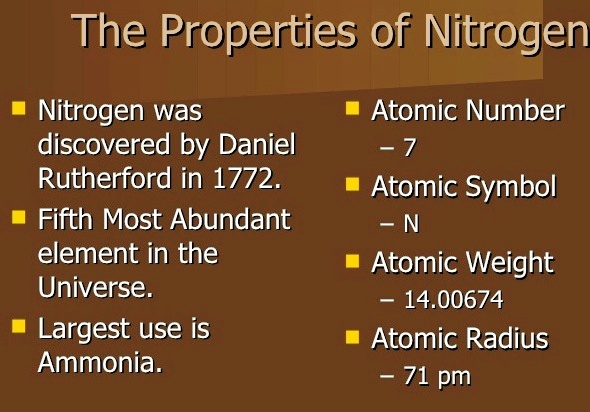
Applications and Uses of Nitrogen (N2)

Multi-Industry Uses for Nitrogen:

The inert properties of nitrogen make it a good blanketing gas in many applications. Nitrogen blanketing is used to protect flammable or explosive solids and liquids from contact with air. Certain chemicals, surfaces of solids, and stored food products have properties that must be protected from degradation by the effects of atmospheric oxygen and moisture.  Protection is achieved by keeping these items in (under) a nitrogen atmosphere. “Inerting” or “padding” are other terms used to describe displacement of air and nitrogen blanketing.
“Sparging” with nitrogen is the bubbling of nitrogen gas through a liquid to remove unwanted volatile components, including volatile organic compounds (VOC) which may be necessary to meet pollution reduction regulations.
Certain substances are difficult to pulverize or shred because they are tough or they would be degraded by the heat generated by mechanical processes such as grinding.  Liquid nitrogen can be used to freeze soft or tough substances prior to their entering a size reduction process.  Cold vaporized nitrogen can be used to keep materials cool (and in an inert atmosphere) during grinding.  Cryogenic grinding is used in diverse applications, including production of finely ground pharmaceuticals, plastics and pigments; and for shredding tires in recycling plants.

Metals Manufacturing Uses for Nitrogen:

Nitrogen is used to treat the melt in the manufacture of steel and other metals and as a shield gas in the heat treatment of iron, steel and other metals.  It is also used as a process gas, together with other gases for reduction of carbonization and nitriding.
“Flash” or “fins” on cast metal can be removed by cooling with liquid nitrogen, which makes them brittle, and allows them to be broken off by mechanical action.

Manufacturing and Construction Uses:

Shrink fitting is an interesting alternative to traditional expansion fitting.  Instead of heating the outer metal part, the inner part is cooled by liquid nitrogen so that the metal shrinks and can be inserted.  When the metal returns to its normal temperature, it expands to its original size, giving a very tight fit.
Liquid nitrogen is used to cool concrete while it being poured and setting up.  Slower curing leads to better cured properties.
When construction operations must be done in soft, water-soaked ground such as tunnel construction underneath waterways, the ground can be frozen effectively with liquid nitrogen. Pipes are driven into the ground, liquid nitrogen is pumped through the pipes under the earth’s surface. When the nitrogen exits into the soil, it vaporizes, removing heat from the soil and freezing it.

Chemicals, Pharmaceuticals and Petroleum Uses:

Refineries, petrochemical plants and marine tankers use nitrogen to purge equipment, tanks and pipelines of dangerous vapors and gases (for example, after completing a pipeline transfer operation or ending a production run) and to maintain an inert and protective atmosphere in tanks storing flammable liquids.
Cold nitrogen gas is used to cool reactors filled with catalyst during maintenance work. The cooling time can be reduced substantially.
Cooling reactors (and the materials inside) to low temperature allows better control of side-reactions in complex reactions in the pharmaceutical industry. Liquid nitrogen is often used to provide the necessary refrigeration as it can produce rapid temperature reduction and can then easily maintain the desired cold reaction temperatures.  Reactor cooling and temperature control systems usually employ a circulating low-temperature heat transfer fluid to transfer refrigeration produced by vaporizing liquid nitrogen to the shell of the reactor vessel.  The liquid nitrogen is vaporized in specially-designed heat exchangers that transfers refrigeration to the circulating heat transfer fluid.

Liquid nitrogen is used during gas well completion to “frac” natural gas bearing rock formations, in particular, tight gas formations, including shale gas and natural gas from coal (coal bed methane) where water based fracking should be avoided. Nitrogen is also used to maintain pressure in oil and natural gas producing formations.  Unlike carbon dioxide, which is also used for pressurization, nitrogen has little affinity for liquid hydrocarbons, thus it builds up in and remains in the gas cap.
Nitrogen is used an inert gas to push liquids though lines, to clear lines and to propel “pigs” through pipelines to sweep out one material before using the line to transport another material.

Rubber and Plastics Industry Uses:

Materials become hard and brittle when cooled by to very low temperatures.  This property permits the removal of “flash” or “fins” on cast plastics and rubber.  The castings are cooled by liquid nitrogen and the flash broken off by mechanical action.

Food and Beverages:

The intense cold in liquid nitrogen allows very rapid freezing of food items, resulting in minimal cell damage from ice crystals and improved appearance, taste and texture. Well-designed cryogenic tunnel and spiral freezers efficiently capture refrigeration from liquid vaporization and from the cold nitrogen gas as it flows through the freezer.
When substances such as vegetable oil and wines are stored, the inert properties of nitrogen can be used to protect against loss of quality by oxidation by expelling any air entrained in the liquid (“sparging”) and protecting liquids in storage tanks by filling the vapor space (“blanketing”).
Nitrogen (and nitrogen mixed with CO2 and oxygen) is used in transport trucks and in Modified Atmosphere Packaging (MAP) to extend the shelf life of packaged foods by preventing oxidation, mold, insect infestation and moisture migration.

Health Care Uses:

Nitrogen is used as a shield gas in the packing of some medicines to prevent degradation by oxidation or moisture adsorption.
Nitrogen is used to freeze blood, as well as viruses for vaccination. It is also used to freeze livestock semen, which can then be stored for years. The quick freezing resulting from the intense cold minimizes cell wall damage. Liquid nitrogen is also used in some MRI (Magnetic Resonance Imaging) devices to pre-cool the low temperature magnets prior to using much more expensive liquid helium for final cooling.
Liquid nitrogen is used in cryo-surgery to destroy diseased tissue.

Miscellaneous Uses for Nitrogen:

Nitrogen is used directly as a coolant for severe environmental testing of many items, or as a refrigeration source for chilling circulating dry air.

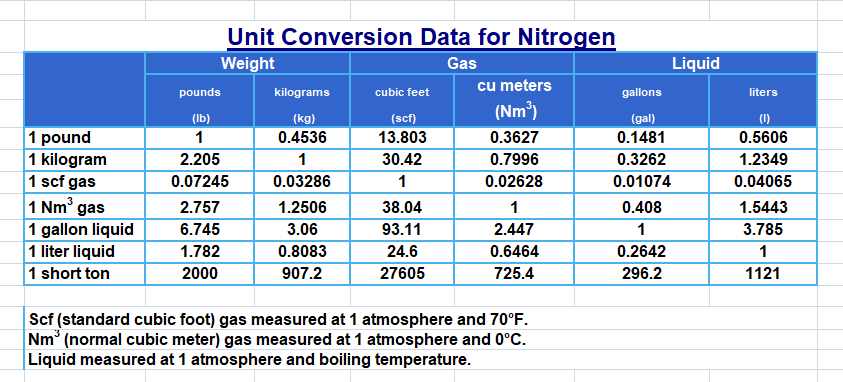
Unit Conversion Data for Nitrogen


Weight

Gas

Liquid

pounds
(lb)

kilograms
(kg)

cubic feet
(scf)

cu meters
 (Nm3)

gallons
(gal)

liters
(l)

1 pound

1.0

0.4536

13.803

0.3627

0.1481

0.5606

1 kilogram

2.205

1.0

30.42

0.7996

0.3262

1.2349

1 scf gas

0.07245

0.03286

1.0

0.02628

0.01074

0.04065

1 Nm3 gas

2.757

1.2506

38.04

1.0

0.4080

1.5443

1 gallon liquid

6.745

3.06

93.11

2.447

1.0

3.785

1 liter liquid

1.782

0.8083

24.60

0.6464

0.2642

1.0

1 short ton

2000

907.2

27605

725.4

296.2

1121

Scf (standard cubic foot) gas measured at 1 atmosphere and 70°F.
Nm3 (normal cubic meter) gas measured at 1 atmosphere and 0°C.
Liquid measured at 1 atmosphere and boiling temperature.

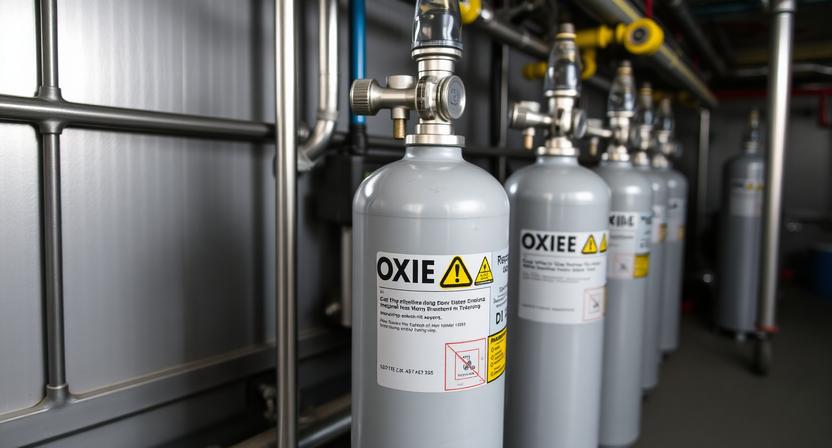
Liquid Medical Oxygen

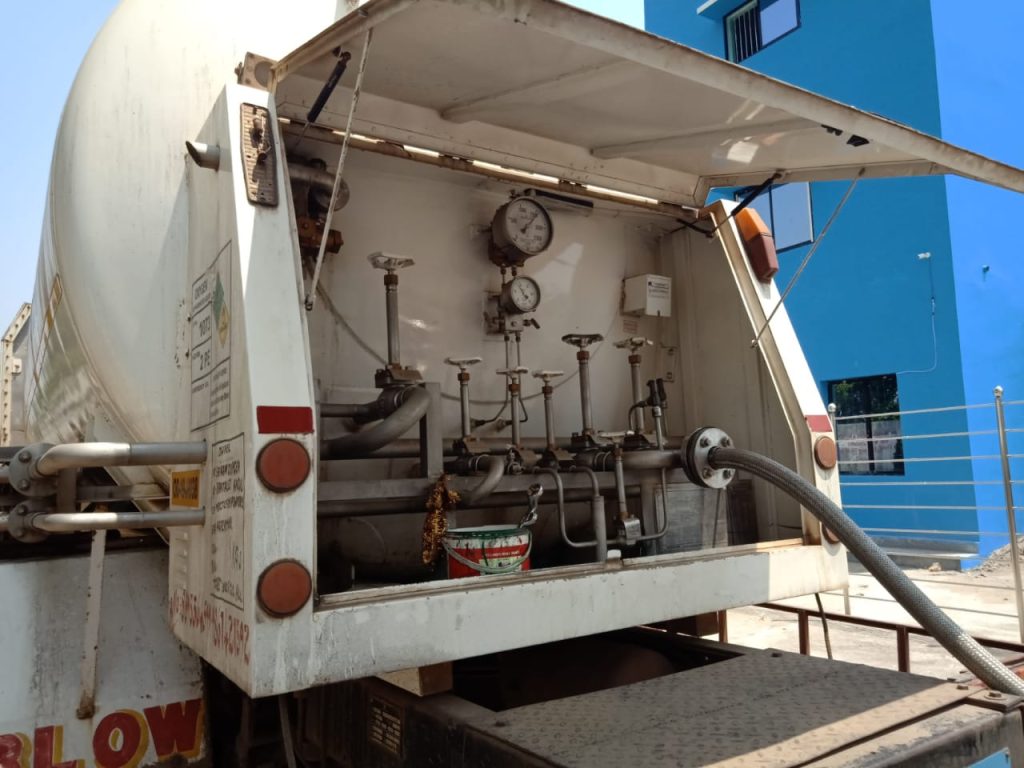
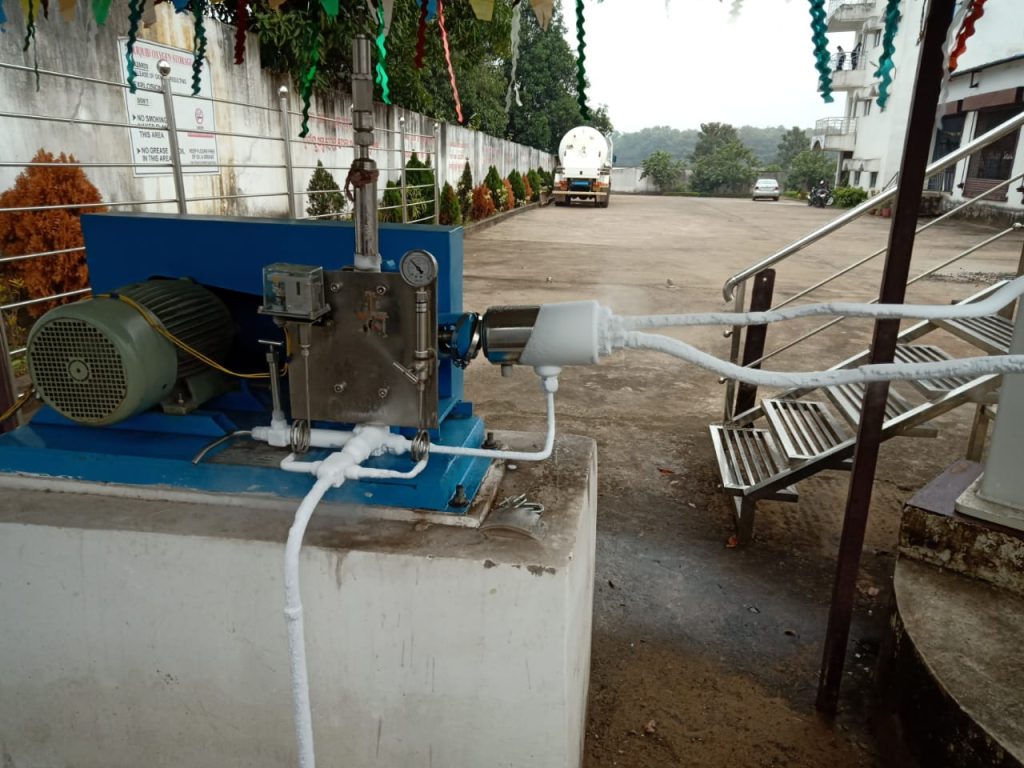
SAI RAM OXYGEN supplies Liquid Oxygen in bulk to different hospitals as per their requirements. Almost all hospitals need bulk supplies of oxygen as it is the most economical way to hold a large quantities in liquid. Generally hospitals have higher consumption levels of oxygen and therefore bulk liquid is very cost-effective and convenient supply chain option.
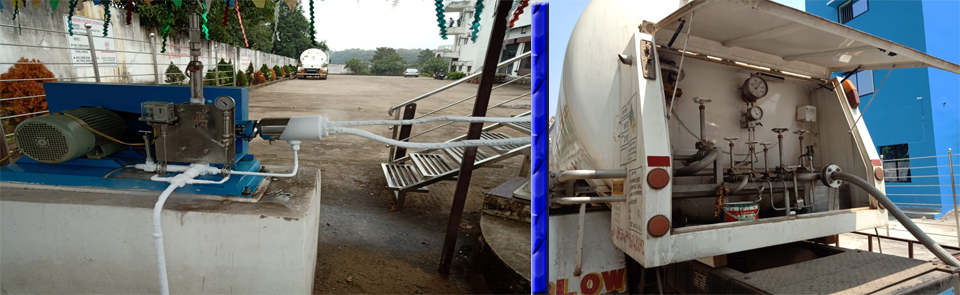
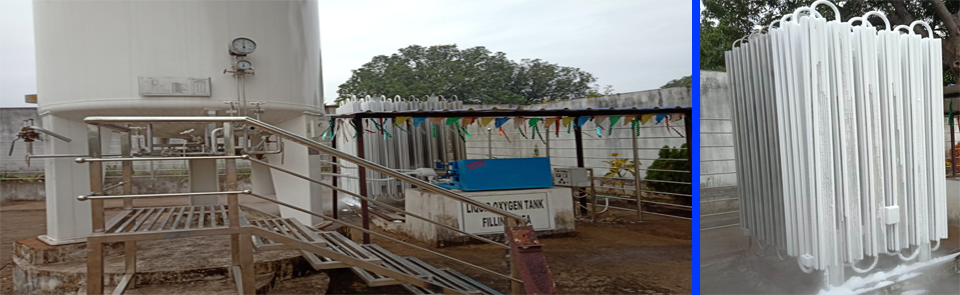
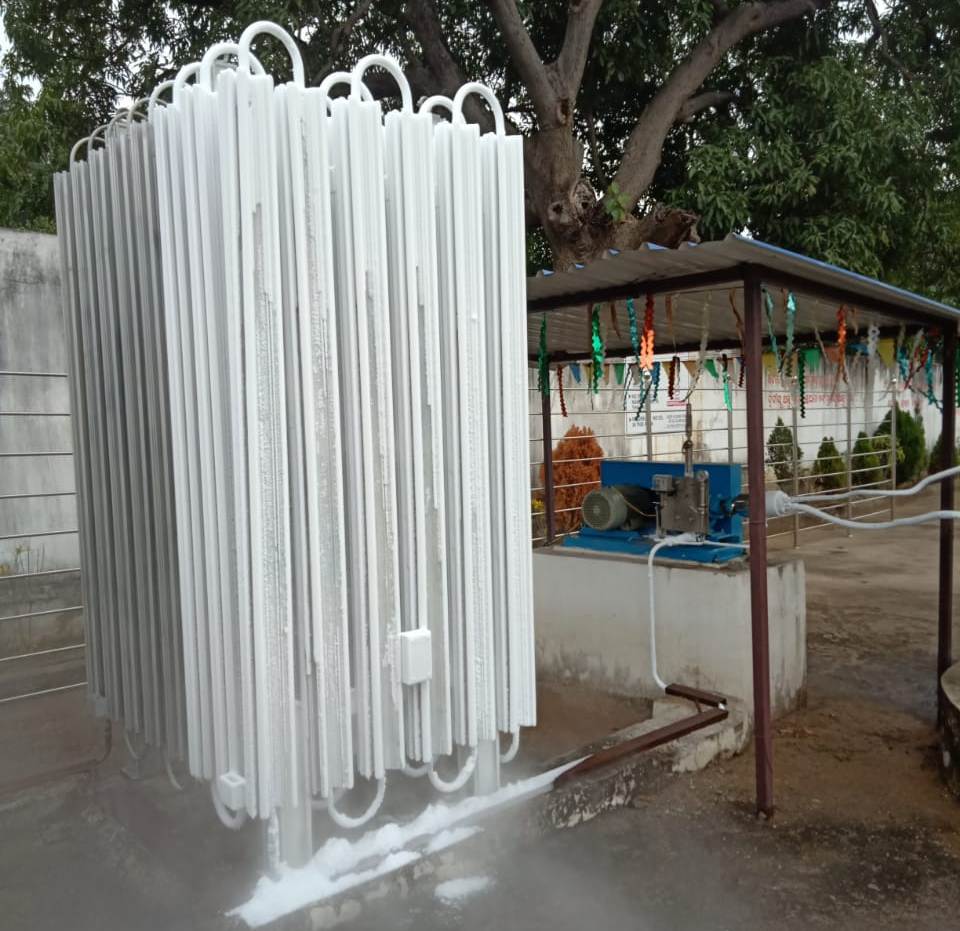
Liquid medical Oxygen is supplied and stored as a liquid at very low temperature in storage tanks which are stationary,vaccume insulated pressure vessels that consist of an inner and outer vessel.It is converted to medical Oxygen in a gas form through LOX pump and vaporizer at normal temperatures.
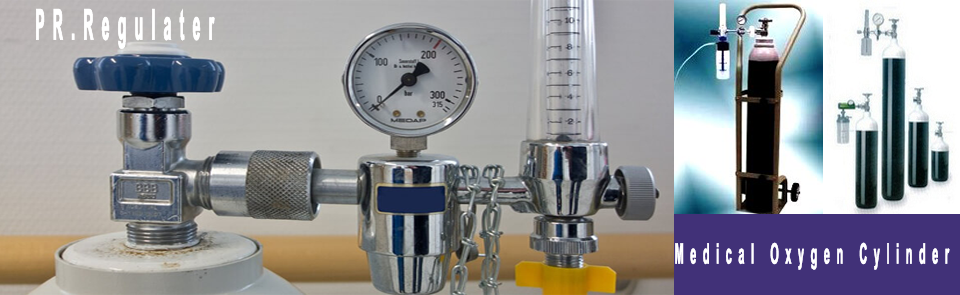
Medical liquid oxygen offers several key advantages over other methods of oxygen delivery.The benifit of liquid oxygen is that continuous flow of oxygen can be supplied in a small, lightweight container.To make medical liquid oxygen,the gas form of oxygen must be cooled at -183°C. At this low temperature, oxygen remains in a liquid form. Oxygen takes less space in its liquid state and it can be stored at lower pressure than when in a gaseous state.
Recently, liquid oxygen has become available in light weight portable units that can be used almost anywhere. Medical gas systems in hospitals and other healthcare facilities are usually accomplished by a large storage system of liquid oxygen at the hospital which is evaporated into a concentrated oxygen supply.

Medical Oxygen

SAI RAM OXYGEN ANGUL got licence from the Drugs Controller of Odisha for manufacturing and sale/distribution of Medical Oxygen IP vide Licence no. 853 Dated 02/05/2020.
The Medical Oxygen is is different from normal oxygen in context of purity percentage. SRO medical oxygen is higher percentage of purity I.e. 99.99%.
Medical Oxygen is used for oxygen therapy in hospitals and nursing homes and is designated as a drug. The use of oxygen in medicine became common around the year 1917. Medical Oxygen is used to provide Life support for artificially ventilated patients. It is widely used in every healthcare setting,with applications from resuscitation to inhalation therapy. It is used wide range of conditions such as COPD,Cyanosis, shock,sever hemorrhage, major trauma, respiratory and cardiac arrest.
SRO provides quality medical oxygen liquid and gases to different hospitals and Nursing homes in and around Odisha.

Industrial Oxygen Gas

Specifications

Use : Industrial
Purity : 99%
Color : Colorless
Form : Gas
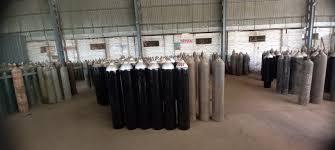
Pack Size : Cylinders
Application : Industrial Use, Laboratory Use
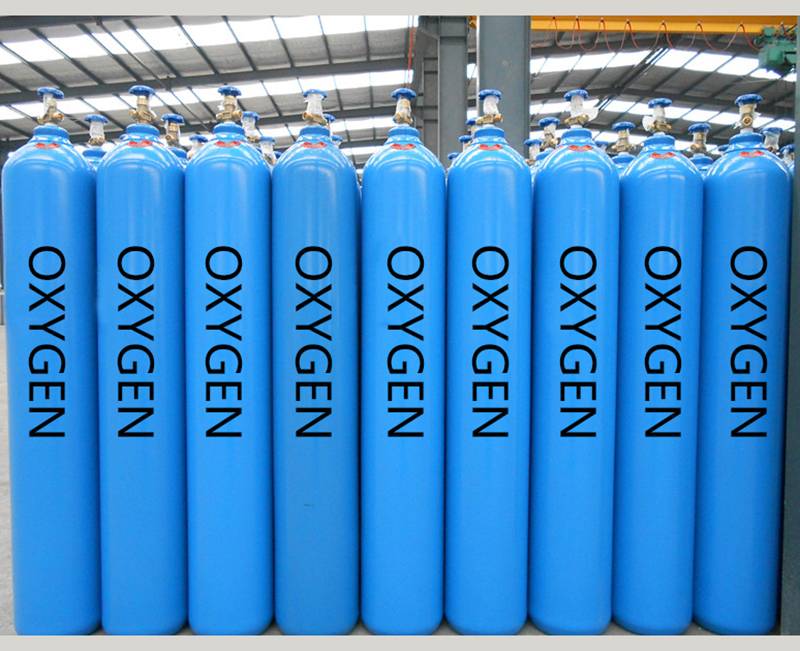
Get in touch with us, if looking for Industrial Oxygen Gas. Our Atmospheric Oxygen is widely used by industries for cutting, welding and melting metals. We make it available in leak-proof & tamper-proof cylinders and also take all the required measures to ensure safe delivery of this Gas.

Details :

Industries use the gas for cutting, welding and melting metals. The gas is capable of generating temperatures of 3000 C and 2800 C. This is required for oxy-hydrogen and oxy-acetylene blow torches. A typical welding process goes like this: metal parts are brought together. A high temperature flame is used to melt them by heating the junction. The ends are melted and solidify. To slice metal, one end is heated until it turns red. The oxygen level is augmented until the red hot component has oxidized. This softens the metal so it can be hammered apart.

Modern steel making relies heavily on the use of oxygen to enrich air and increase combustion temperatures in blast furnaces and open hearth furnaces as well as to replace coke with other combustible materials. During the steel making process, unwanted carbon combines with oxygen to form carbon oxides, which leave as gases. Oxygen is fed into the steel bath through a special lance. Oxygen is used to allow greater use of scrap metal in electric arc furnaces.

CO2-Gases

Grade Standard : Chemical Grade
Working Pressure : 150 Bar
Test Pressure : 250 Bar
Weight : 10-20 Kg
Purity : 99%
Use in Many Industries
Keenly committed towards delivering you quality with distinction, we endeavor to seal the top spot in the industry. We as a Supplier of Carbon Dioxide Gas are meticulous thoroughly ensure that no impurity sneaks in our product. Carbon Dioxide Gas is largely used in the medical and steel industry & metal industry. We offer the Gas in leak proof cylinders and our logistic team ensures it is safely delivered to you.

Argon Gases

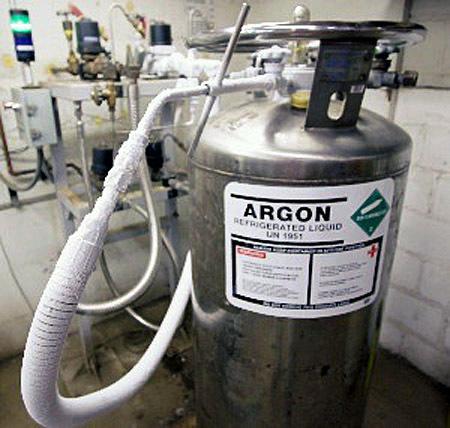
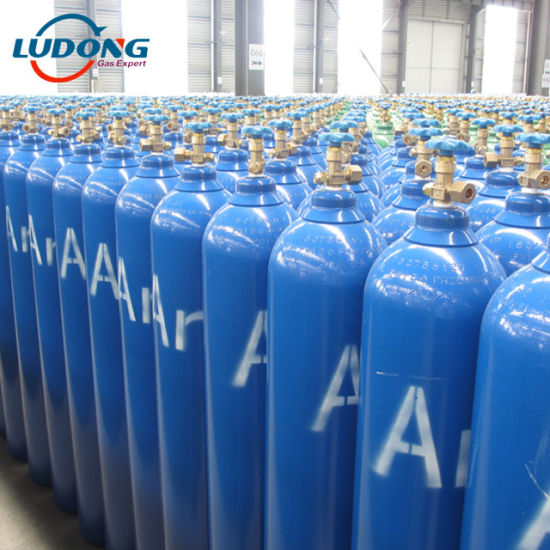
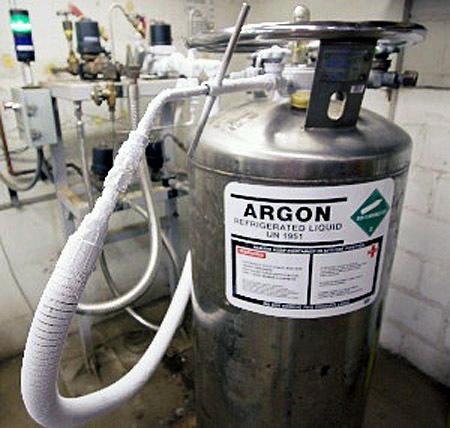
M/s SAI RAM OXYGEN provides a convenient and portable source of Industrial and high-purity argon gas cylinders, ensuring that industries have a reliable supply for their specific needs


Argon Gas Cylinder Specifications:

Filling Pressure-150 bar

Purity-99.9 % – 99.999%(1ppm(

Application:

Industrial Gas, Welding Shielding Gas, Carrier Gas

Body Material-SS

Cylinder Capacity-10-47 L

Harnessing our expertise, we as a Supplier of Argon Gas present you the immaculate quality. The Argon Gas, we deal in, is used for various industrial applications. It is ensured to match the highest standards of the quality. We offer Argon in well-protected cylinders and offer the extra layer of protection in form of secondary packaging. We are immensely meticulous and hence do not let any impurity creep in.

Argon (Ar) Applications and Uses:

Multi-Industry Uses for Argon:

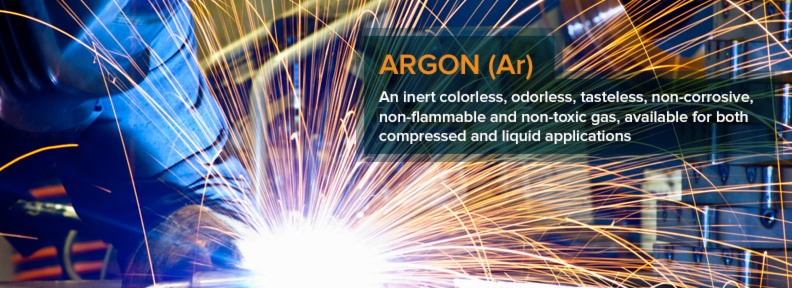
Argon is the most abundant, and least expensive, truly inert gas. It is used where a completely non-reactive gas is needed.

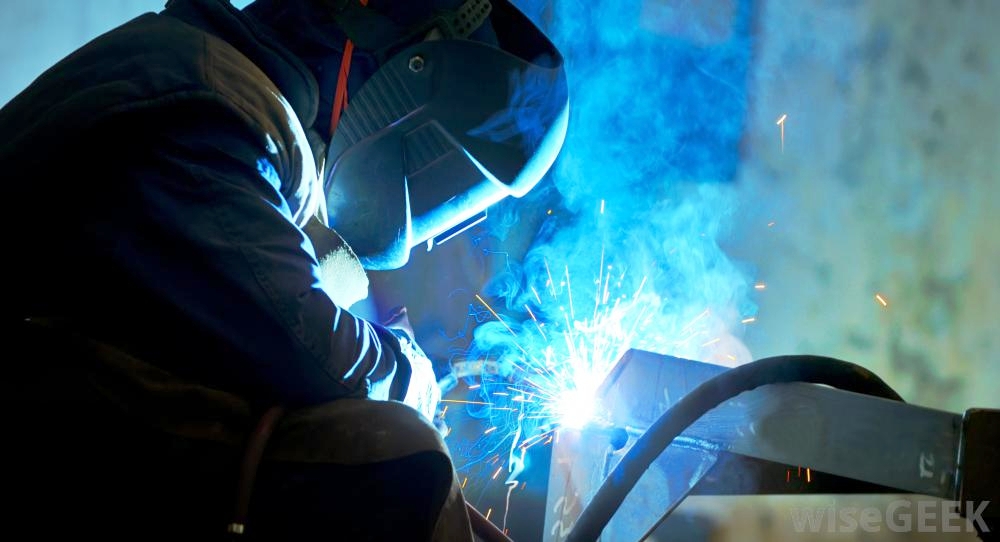
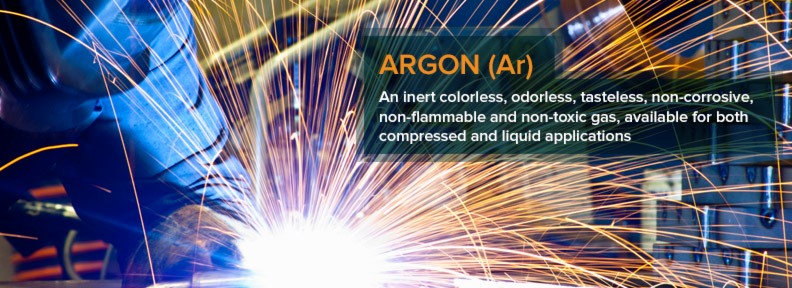
Pure argon, and argon mixed with various other gases, is used as a shield gas in TIG welding (“tungsten inert gas” or gas tungsten arc welding) which uses a non-consumable tungsten electrode, and in MIG (“metal inert gas”, also called gas metal arc welding, or wire feed welding) which employs a consumable wire feed electrode. The function of the shielding gas is to protect the electrode and the weld pool against the oxidizing effect of air. Pure argon is often used with aluminum. A mixture of argon and carbon dioxide is often used for MIG welding of ordinary structural steel.

Plasma-arc cutting and plasma-arc welding employ plasma gas (argon and hydrogen) to provide a very high temperature when used with a special torch.

Metals Manufacturing Uses for Argon:

When steel is made in a converter, oxygen and argon are blown into the molten metal. The addition of argon reduces chromium losses and the desired carbon content is achieved at a lower temperature.

Argon is used as a blowing gas during manufacture of higher quality steels to avoid the formation of nitrides.

Argon is also used as a shield gas in casting and stirring of ladles.

Argon is used in aluminum manufacture to aid degasification and to remove dissolved hydrogen and particulates from molten aluminum.

Argon is used as an inert gas in the manufacture of titanium to avoid oxidation and reaction with nitrogen (titanium is the only metal that will burn in a 100% nitrogen atmosphere).

Argon is used in the manufacture of zirconium.

Manufacturing and Construction Uses for Argon:

Argon is used as a filler gas in fluorescent and incandescent light bulbs. This excludes oxygen and other reactive gases and reduces the evaporation rate (sublimation rate) of the tungsten filament, thereby permitting higher filament temperature. Most common of the mixtures is 93% argon and 7% nitrogen at a pressure of 70 kPa (10.15 psig).

It is used as a filler gas between the glass panels of high-efficiency thermo pane windows, as it is not only dry and colorless, but a relatively heavy gas that minimizes heat transmission between panels by decreasing the speed of convective movement of the filler gas between the glass panels in the window.

Electronics Uses:

Argon is used with methane as a filler gas, and as a high purity inert shield gas in the manufacture of silicone and germanium crystals used in the semiconductor industry.

Food and Beverages Uses:

Argon is used in winemaking to displace oxygen in barrels and thus prevent the formation of vinegar. Similarly, it is used in restaurant, bar and home wine dispensing units to allow storage of opened bottles without degradation of the contents.

Health Care Uses:

Argon is used to perform precise cryosurgery, which is the use of extreme cold, to selectively destroy small areas of diseased or abnormal tissue, in particular on the skin. Very cold argon is created at the site by controlled expansion of argon gas, and directed to the treatment point using a cryoneedle. This provides better control of the process than earlier techniques employing liquid nitrogen. A similar technique, cryoablation, is used to treat heart arrhythmia by destroying cells which interfere with the normal distribution of electrical impulses.

Miscellaneous Uses:

Argon is used to provide a protective atmosphere for old documents to prevent their degradation in storage and while on display.

Interesting Facts and Information about Argon (Ar):

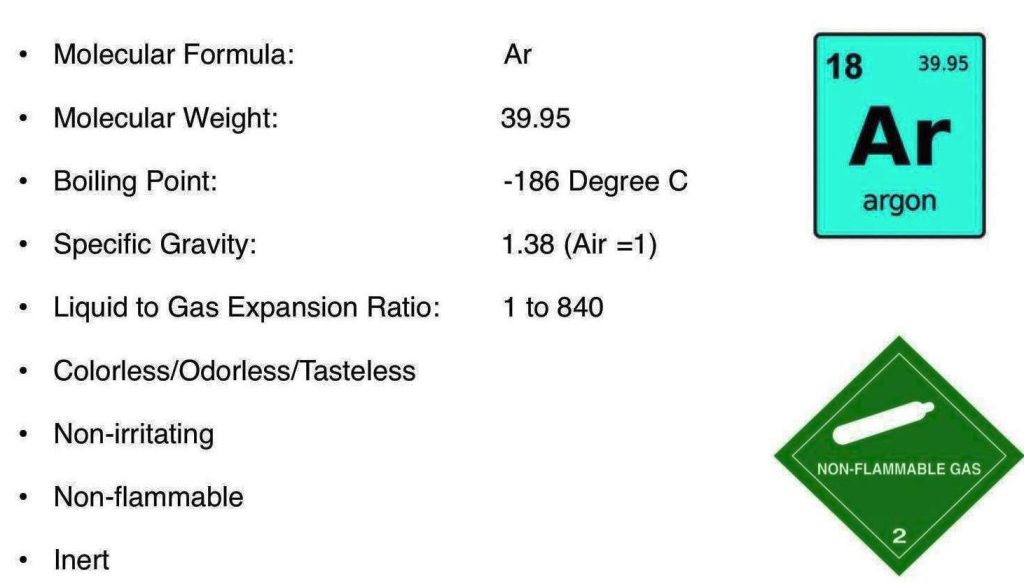
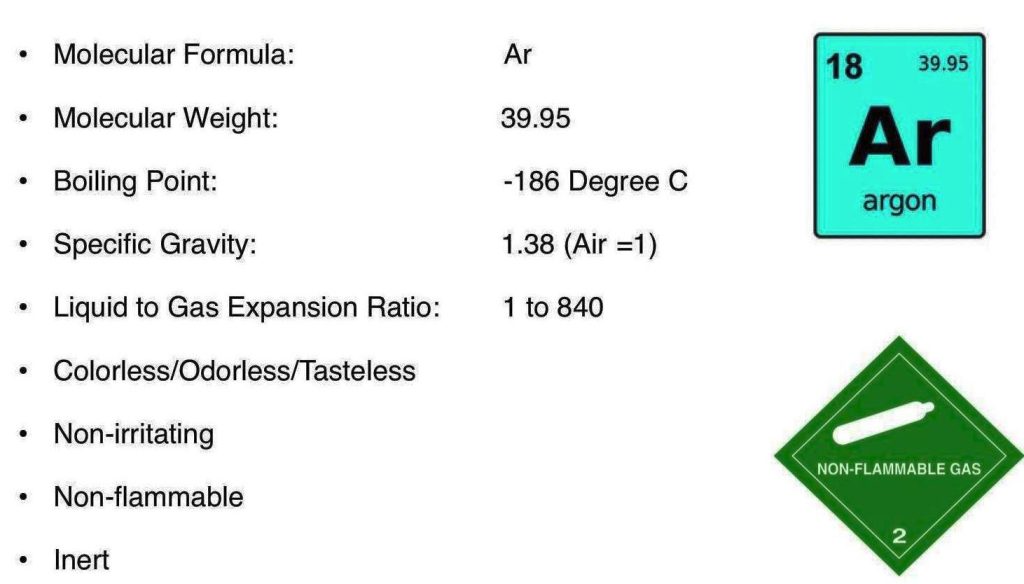
Argon (Ar) is a monatomic, colorless, odorless, tasteless and nontoxic gas, present in the atmosphere at a concentration of just under 1% (0.934%) by volume.

Argon is a member of a special group of gases known as the “rare,” “noble,” or “inert” gases. Other gases in this group are helium, neon, krypton, xenon and radon. They are monatomic gases with a totally filled outermost shell of electrons. The terms “noble” and “inert” are used to indicate that their ability to chemically interact with other materials is extremely weak. All members of this group emit light when electrically excited. Argon produces a pale blue-violet light.

Argon’s normal boiling point is a very cold –302.6°F (–185.9°C), which is between the boiling points of nitrogen and oxygen, the two major constituents of air. The gas is approximately 1.4 times as heavy as air and is slightly soluble in water. Argon’s freezing point is only a few degrees lower than its normal boiling point, –308.8°F (–199.3°C).

Argon is valued for its total inertness, in particular at high temperatures. Argon is used in critical industrial processes such as the manufacturing of high quality stainless steels and production of impurity-free silicon crystals for semi-conductor manufacture. Argon is also used as an inert filler gas for light bulbs and as a dry, heavier-than-air-or-nitrogen filler for the space between glass panels in high-efficiency multi-pane windows.

Argon is the most abundant of the truly inert or “rare” gases.
It is produced, as a commercial product, most commonly in conjunction with the manufacture of high purity oxygen using cryogenic distillation of air. Since the boiling point of argon is very close to that of oxygen (a difference of only 5.3°F or 2.9°C) separating pure argon from oxygen (while also achieving high recovery of both products) requires many stages of distillation.
For many decades, the most common argon recovery and purification process used several steps: 1) taking a “side-draw” stream from the primary air separation distillation system at a point in the low-pressure column where the concentration of argon is highest, 2) processing the feed in a crude argon column which returns the nitrogen to the low pressure column and produces a crude argon product, 3) warming the crude argon and reacting the (typically about 2%) oxygen impurity in the stream with a controlled amount of hydrogen to form water, 4) removing the water vapor by condensation and adsorption, 5) re-cooling the gas to cryogenic temperature, and 6) removing the remaining non-argon components (small amounts of nitrogen and unconsumed hydrogen) through further distillation in a pure argon distillation column.
With the development of packed column technology, which allows cryogenic distillations to be performed with low-pressure-drop, many plants now utilize an all-cryogenic distillation process for argon recovery and purification.

Argon may be referred to as “PLAR” (pure liquid argon) or “CLAR” (crude liquid argon), or by its chemical designation, “Ar”. Crude argon is usually thought of as an intermediate product in a facility that makes pure argon, but it may be a final product for some lower capacity air separation plants which ship it to larger facilities for final purification. Some crude argon is also sold as a final product for uses that do not need high purity argon (e.g. some steelmaking and welding applications).
Commercial quantities of argon may also be produced in conjunction with the manufacture of ammonia. Air is the ultimate source of the argon, but in the traditional “Kellogg” ammonia production process the route to argon recovery is quite different. Natural gas is “reformed” with steam to produce a “synthesis gas” containing hydrogen, carbon monoxide and carbon dioxide. “Secondary reforming” with air and steam converts the CO to CO2 and additional hydrogen, and adds the nitrogen necessary to make ammonia (NH3). The mix of nitrogen and hydrogen (along with a small amount of argon) is then compressed to high pressure and reacted with the aid of a catalyst. Argon, being non-reactive, accumulates in the ammonia synthesis loop, and it must be removed in a purge stream to maintain production capacity and process efficiency.

Argon can be recovered and purified using the purge gas stream as feed gas. Several steps are required. First, the ammonia is removed and recovered, then the hydrogen is removed and recycled to the synthesis gas feed to the ammonia process to improve overall process efficiency. Methane, which is formed in the ammonia process, is recycled to fuel for the fired heater providing heat to drive the synthesis gas generation process. Argon is recovered and purified for sale as a commercial product.
Most newer ammonia plants do not use air as a direct feed to the ammonia production process. Instead they first process it through an air separation unit, with the argon removed upstream of the ammonia synthesis loop. The high purity oxygen and nitrogen feed streams produced by the air separation unit are individually fed to the hydrogen production and ammonia production portions of the ammonia plant. This newer ammonia production approach avoids argon buildup in the ammonia synthesis loop, and allows direct recovery of argon as a valuable co-product.

Da-Gases

Pressure : 0-150 Kg/cm2
Density : 0.500-1G/ml
Packaging Type : Cylinder
Packaging size : 10-20Kg, 0-10Kg
Oxygen : 0-3Vpm
Principle Type
Processing Gas
Features
Precise composition.
we are a notable Purchases & Sale of Acetylene Gas. The Acetylene Gas that we make available is widely used for oxyacetylene welding, cutting and heat treating. Owing to purity, effectiveness and reliability, our Acetylene is widely demanded. Talk of price; we are known for providing the best quality at rock bottom prices.

Details :

Acetylene (C2H2) is known as one of the simplest and most significant chemical in the acetylene series. A compound of carbon and hydrogen, acetylene is a colorless, highly flammable gas that dissociates at normal to low pressures and needs to be stored in high-pressure tanks containing some porous material and acetone.

It has active chemical property; it is easy to polymerize, synthesize and cause chemical reactions. Acetylene is the most common gas used for fueling cutting torches in both general industry and the mining industry. When mixed with pure oxygen in a cutting torch assembly, an acetylene flame can theoretically reach over 5700°F. Users of this type of equipment are generally familiar with the fire hazards associated hot flames and the production of hot slag. However, many users may not be aware of the unique characteristics of acetylene itself that create special hazards compared to other fuel gases. Acetylene has many commercial and technical applications. The most known application for acetylene is for oxyacetylene welding, cutting and heat treating. The majority of acetylene is use in the chemical synthesis process for the manufacturing of many organic compounds such as acetaldehyde and acetic acid. The Indian industrial gases market is dominated by oxygen. Oxygen accounts for nearly 75% of total production of gases outside carbon dioxide in the merchant market. If the captive segment is included, oxygen enjoys an over 70% share in all gases (outside carbon dioxide). The gas industry in India has a large number of small plants spread all over the country. Also there are tonnage plants of global standards and capacity, which are set up in different parts of the country. Many fertilizer plants have created the facility to tap Argon through purge gas recovery units and some are also purifying the flu gas to produce carbon dioxide. It is used in welding works etc.

Nitrogen Gases

Specifications

Purity 99.99%0

Density 0.500-1G/ml, 0.500G/ml
Form Gas
Packaging Type Cylinder
Pressure 0-150 Kg/cm2, 150-300 Kg/cm2
moisture 0-1vpm, 1-2vpm
Oxygen 0-3Vpm, 3-5vpm

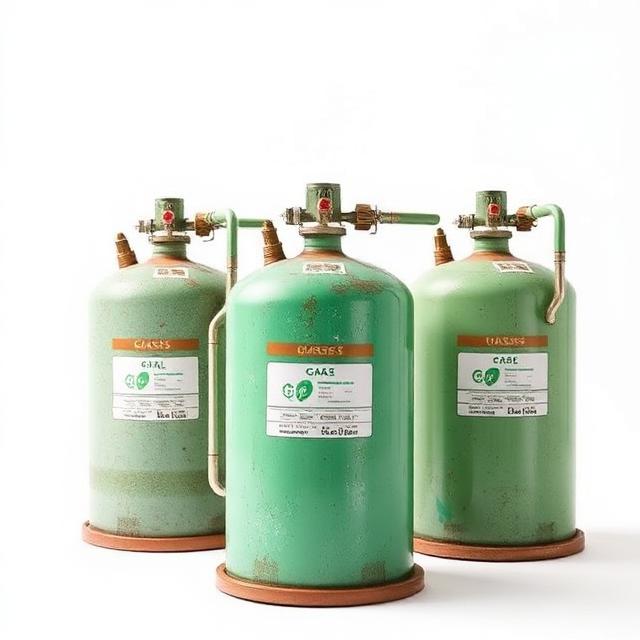
Leveraging the understanding and knowledge accumulated over time, we have cemented ourselves as the top players in the industry. We as a Manufacturer and Supplier of Nitrogen Gas are inclined towards delivering the unrivaled quality. The Nitrogen Gas is available in leak-proof and tamper-proof cylinders. We take safety measure with extreme concern and function accordingly. One can place bulk orders to us.

Multi-Industry Uses for Nitrogen:

The inert properties of nitrogen make it a good blanketing gas in many applications. Nitrogen blanketing is used to protect flammable or explosive solids and liquids from contact with air. Certain chemicals, surfaces of solids, and stored food products have properties that must be protected from degradation by the effects of atmospheric oxygen and moisture. Protection is achieved by keeping these items in (under) a nitrogen atmosphere. “Inerting” or “padding” are other terms used to describe displacement of air and nitrogen blanketing.
“Sparging” with nitrogen is the bubbling of nitrogen gas through a liquid to remove unwanted volatile components, including volatile organic compounds (VOC) which may be necessary to meet pollution reduction regulations.
Certain substances are difficult to pulverize or shred because they are tough or they would be degraded by the heat generated by mechanical processes such as grinding. Liquid nitrogen can be used to freeze soft or tough substances prior to their entering a size reduction process. Cold vaporized nitrogen can be used to keep materials cool (and in an inert atmosphere) during grinding. Cryogenic grinding is used in diverse applications, including production of finely ground pharmaceuticals, plastics and pigments; and for shredding tires in recycling plants.

Metals Manufacturing Uses for Nitrogen:

Nitrogen is used to treat the melt in the manufacture of steel and other metals and as a shield gas in the heat treatment of iron, steel and other metals. It is also used as a process gas, together with other gases for reduction of carbonization and nitriding.
“Flash” or “fins” on cast metal can be removed by cooling with liquid nitrogen, which makes them brittle, and allows them to be broken off by mechanical action.
Manufacturing and Construction Uses:
Shrink fitting is an interesting alternative to traditional expansion fitting. Instead of heating the outer metal part, the inner part is cooled by liquid nitrogen so that the metal shrinks and can be inserted. When the metal returns to its normal temperature, it expands to its original size, giving a very tight fit.
Liquid nitrogen is used to cool concrete while it being poured and setting up. Slower curing leads to better cured properties.
When construction operations must be done in soft, water-soaked ground such as tunnel construction underneath waterways, the ground can be frozen effectively with liquid nitrogen. Pipes are driven into the ground, liquid nitrogen is pumped through the pipes under the earth’s surface. When the nitrogen exits into the soil, it vaporizes, removing heat from the soil and freezing it.

Chemicals, Pharmaceuticals and Petroleum Uses:

Refineries, petrochemical plants and marine tankers use nitrogen to purge equipment, tanks and pipelines of dangerous vapors and gases (for example, after completing a pipeline transfer operation or ending a production run) and to maintain an inert and protective atmosphere in tanks storing flammable liquids.
Cold nitrogen gas is used to cool reactors filled with catalyst during maintenance work. The cooling time can be reduced substantially.
Cooling reactors (and the materials inside) to low temperature allows better control of side-reactions in complex reactions in the pharmaceutical industry. Liquid nitrogen is often used to provide the necessary refrigeration as it can produce rapid temperature reduction and can then easily maintain the desired cold reaction temperatures. Reactor cooling and temperature control systems usually employ a circulating low-temperature heat transfer fluid to transfer refrigeration produced by vaporizing liquid nitrogen to the shell of the reactor vessel. The liquid nitrogen is vaporized in specially-designed heat exchangers that transfers refrigeration to the circulating heat transfer fluid.
Liquid nitrogen is used during gas well completion to “frac” natural gas bearing rock formations, in particular, tight gas formations, including shale gas and natural gas from coal (coal bed methane) where water based fracking should be avoided. Nitrogen is also used to maintain pressure in oil and natural gas producing formations. Unlike carbon dioxide, which is also used for pressurization, nitrogen has little affinity for liquid hydrocarbons, thus it builds up in and remains in the gas cap.
Nitrogen is used an inert gas to push liquids though lines, to clear lines and to propel “pigs” through pipelines to sweep out one material before using the line to transport another material.

Rubber and Plastics Industry Uses:

Materials become hard and brittle when cooled by to very low temperatures. This property permits the removal of “flash” or “fins” on cast plastics and rubber. The castings are cooled by liquid nitrogen and the flash broken off by mechanical action.

Food and Beverages:

The intense cold in liquid nitrogen allows very rapid freezing of food items, resulting in minimal cell damage from ice crystals and improved appearance, taste and texture. Well-designed cryogenic tunnel and spiral freezers efficiently capture refrigeration from liquid vaporization and from the cold nitrogen gas as it flows through the freezer.
When substances such as vegetable oil and wines are stored, the inert properties of nitrogen can be used to protect against loss of quality by oxidation by expelling any air entrained in the liquid (“sparging”) and protecting liquids in storage tanks by filling the vapor space (“blanketing”).
Nitrogen (and nitrogen mixed with CO2 and oxygen) is used in transport trucks and in Modified Atmosphere Packaging (MAP) to extend the shelf life of packaged foods by preventing oxidation, mold, insect infestation and moisture migration.

Health Care Uses:

Nitrogen is used as a shield gas in the packing of some medicines to prevent degradation by oxidation or moisture adsorption.
Nitrogen is used to freeze blood, as well as viruses for vaccination. It is also used to freeze livestock semen, which can then be stored for years. The quick freezing resulting from the intense cold minimizes cell wall damage. Liquid nitrogen is also used in some MRI (Magnetic Resonance Imaging) devices to pre-cool the low temperature magnets prior to using much more expensive liquid helium for final cooling.
Liquid nitrogen is used in cryo-surgery to destroy diseased tissue.

Miscellaneous Uses for Nitrogen:

Nitrogen is used directly as a coolant for severe environmental testing of many items, or as a refrigeration source for chilling circulating dry air.

Oxygen Gases

At standard temperature and pressure, oxygen is colourless, odorless and tasteless gas with molecular formula O, referred to as dioxygen ,two oxygen atoms are chemically bound with each other. Oxygen is an element that can be Solid Liquid or Gas depending on its temperature and pressure. In the atmosphere it is found as a Gas, specifically known as a diatomic gas. Both oxygen atoms and oxygen gas are reactive substances that are essential for life.
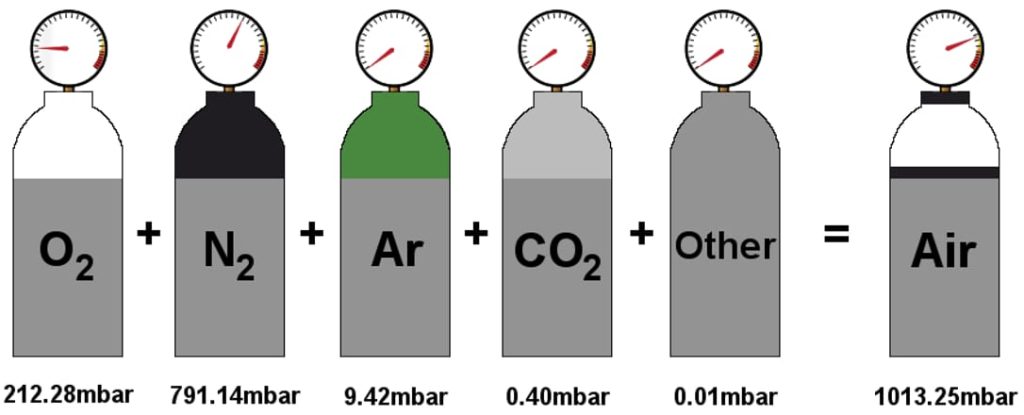
Reactivity-Oxygen gas reacts with every element except noble gases. The product of those reactions are called oxides. With magnesium, oxidation occurs at standard temperature and pressures, while heavier elements require high temperature and pressure to force oxidation. Although oxygen gas itself is not flammable on its own, it is essential for combustion. In the heat treatment plants oxygen gas is used to increase their burning temperature. In atmospheric air, percentage of oxygen is 20.9% (Approx.),N2 is 79% , Ar is about 0.08% and the remaining are CO2, CO, other suspended particular maters.